
Waste to Energy in Africa: Market Opportunity, Data, and Investment Pathways
The story of a city buried in its own waste
In the late 1980s the city of Curitiba in Brazil faced a crisis. Rapid urbanisation had overwhelmed the municipality. Informal settlements were expanding faster than infrastructure. Waste trucks could not access many communities and garbage began piling up in the streets.
Mountains of waste grew in neighbourhoods that already lacked sanitation and electricity. The city faced a choice. Continue expanding landfills or find a way to turn waste into a resource.
Curitiba’s government responded with an idea that seemed simple but transformative. Residents could exchange sorted waste for bus tickets and food. Recycling systems improved, waste volumes were redirected, and the city began exploring how waste could generate value rather than simply accumulate as a problem.
The lesson from Curitiba spread globally. Cities from Sweden to Singapore began to ask a different question about waste. Instead of asking where waste should go, they asked what waste could become.
That question is now becoming central to Africa’s urban future.
Across the continent cities are expanding rapidly and waste generation is rising just as quickly. At the same time, Africa faces one of the largest electricity deficits in the world. Waste to energy sits at the intersection of both problems.
Africa’s growing waste challenge
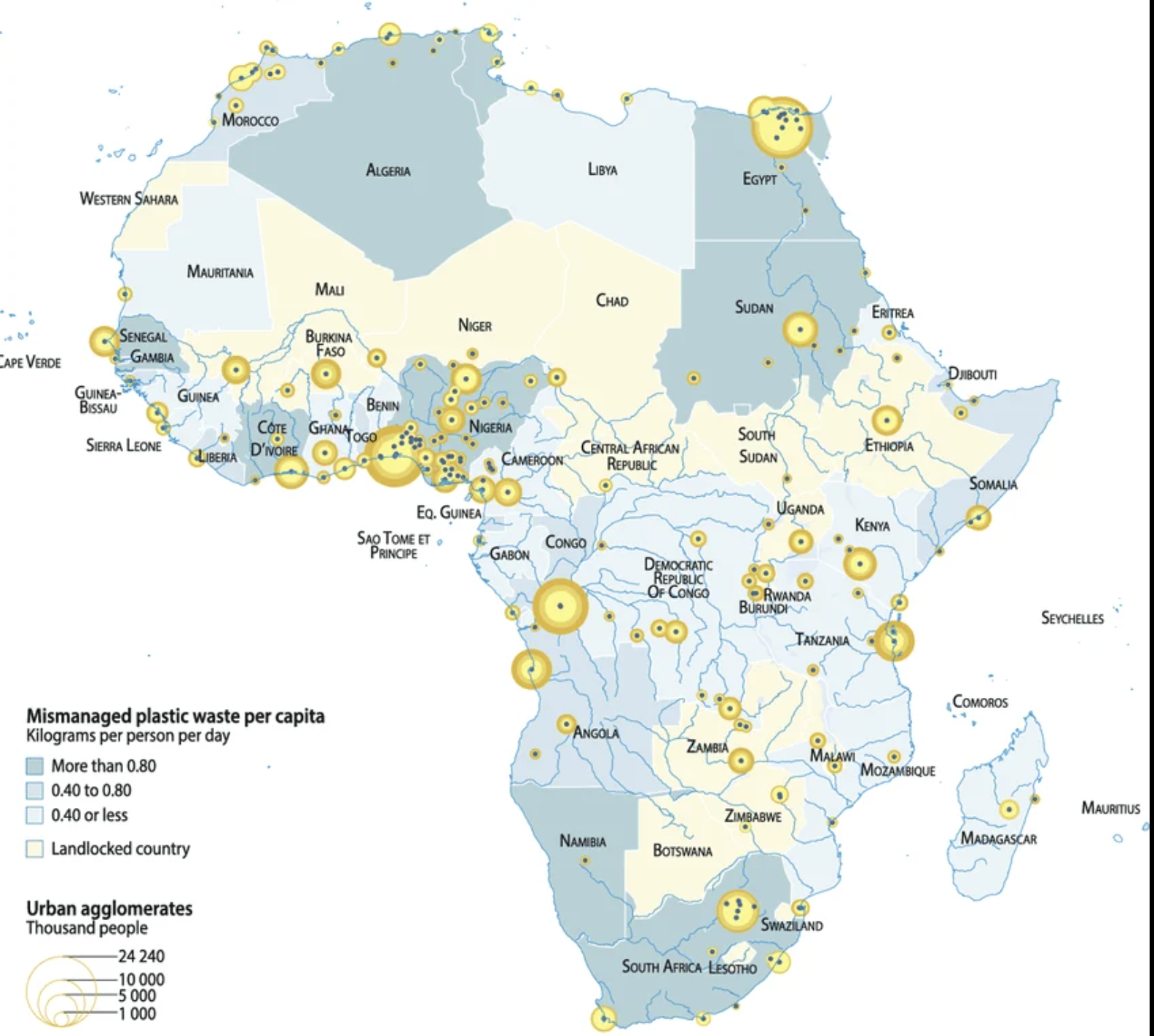
Africa’s cities are expanding faster than waste management systems can keep up.
According to the World Bank, Sub Saharan Africa generates roughly 174 million tonnes of municipal solid waste each year, and that figure is expected to more than triple by 2050 as urban populations grow.
Several factors drive this surge.
Urbanisation across cities such as Lagos, Nairobi, Accra, and Abidjan
Rising consumption from a growing middle class
Expanding industrial and commercial activity
Limited recycling and waste recovery systems
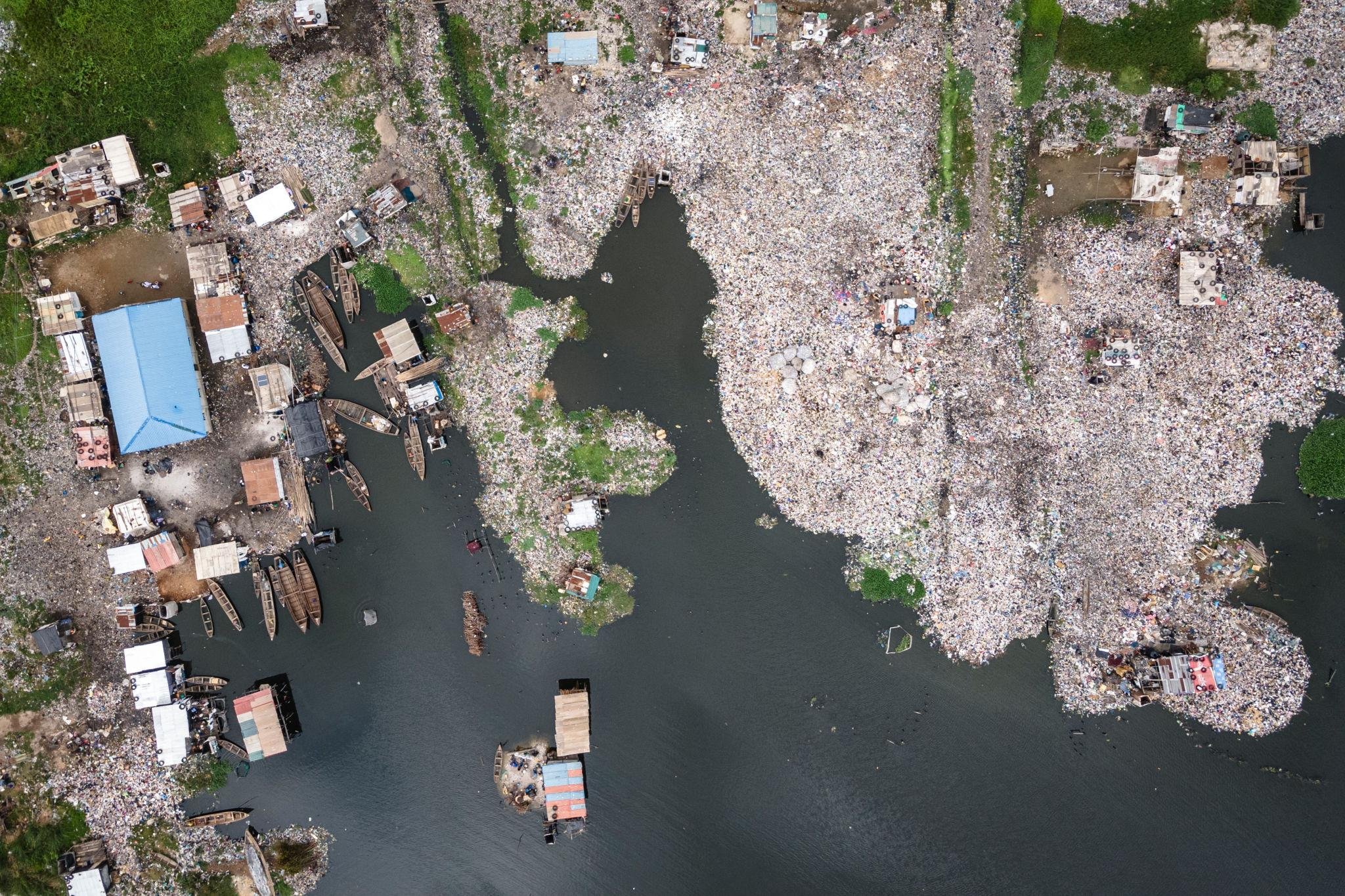
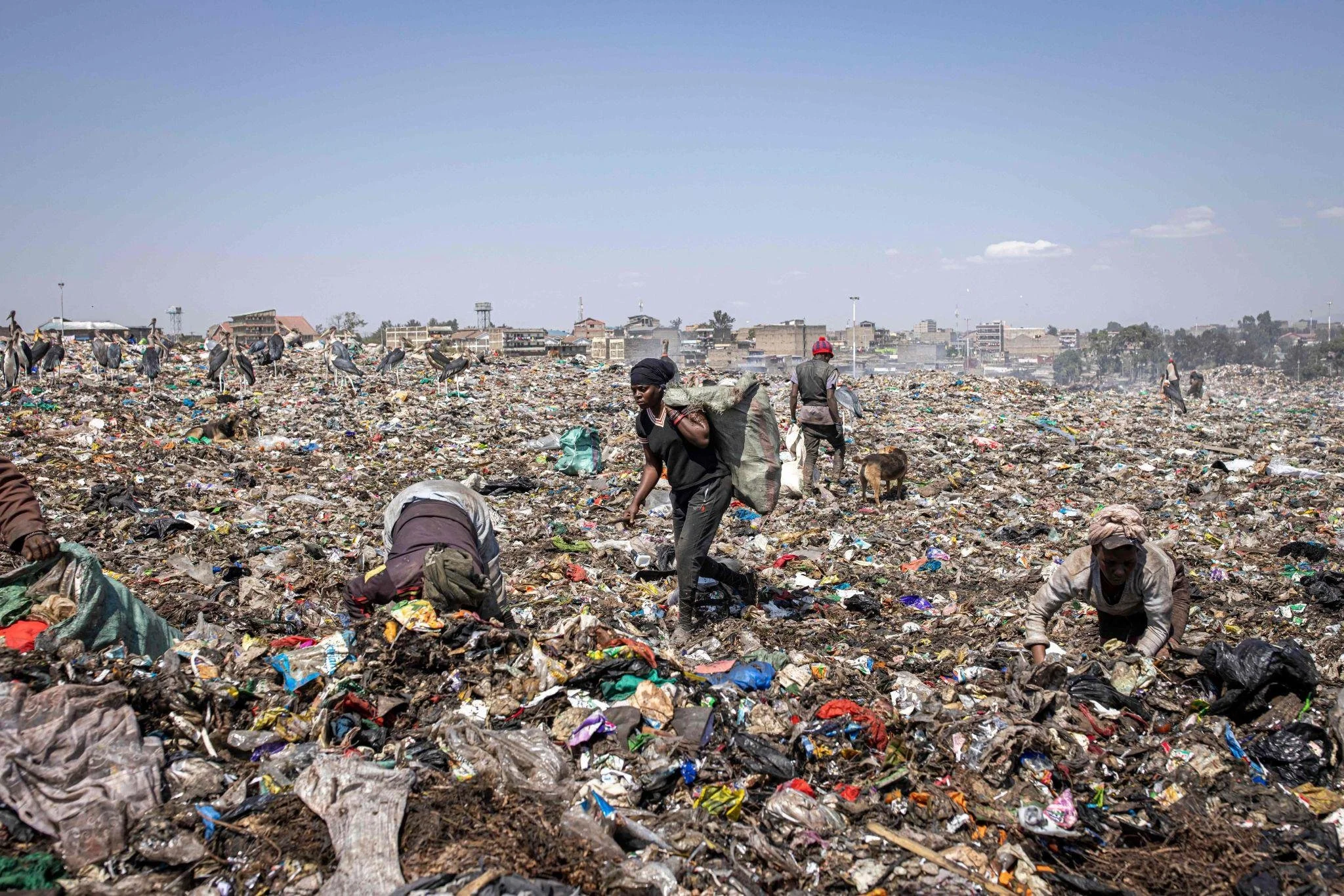
In many cities over 70 percent of waste is dumped in open landfills or informal sites.
These dumpsites create multiple risks.
Air pollution from uncontrolled burning
Groundwater contamination
Methane emissions that accelerate climate change
Health risks for surrounding communities
At the same time, the energy contained within that waste remains largely unused.
Organic waste, plastics, and industrial refuse all contain energy that can be captured and converted into electricity, heat, or fuel.
What waste to energy actually means
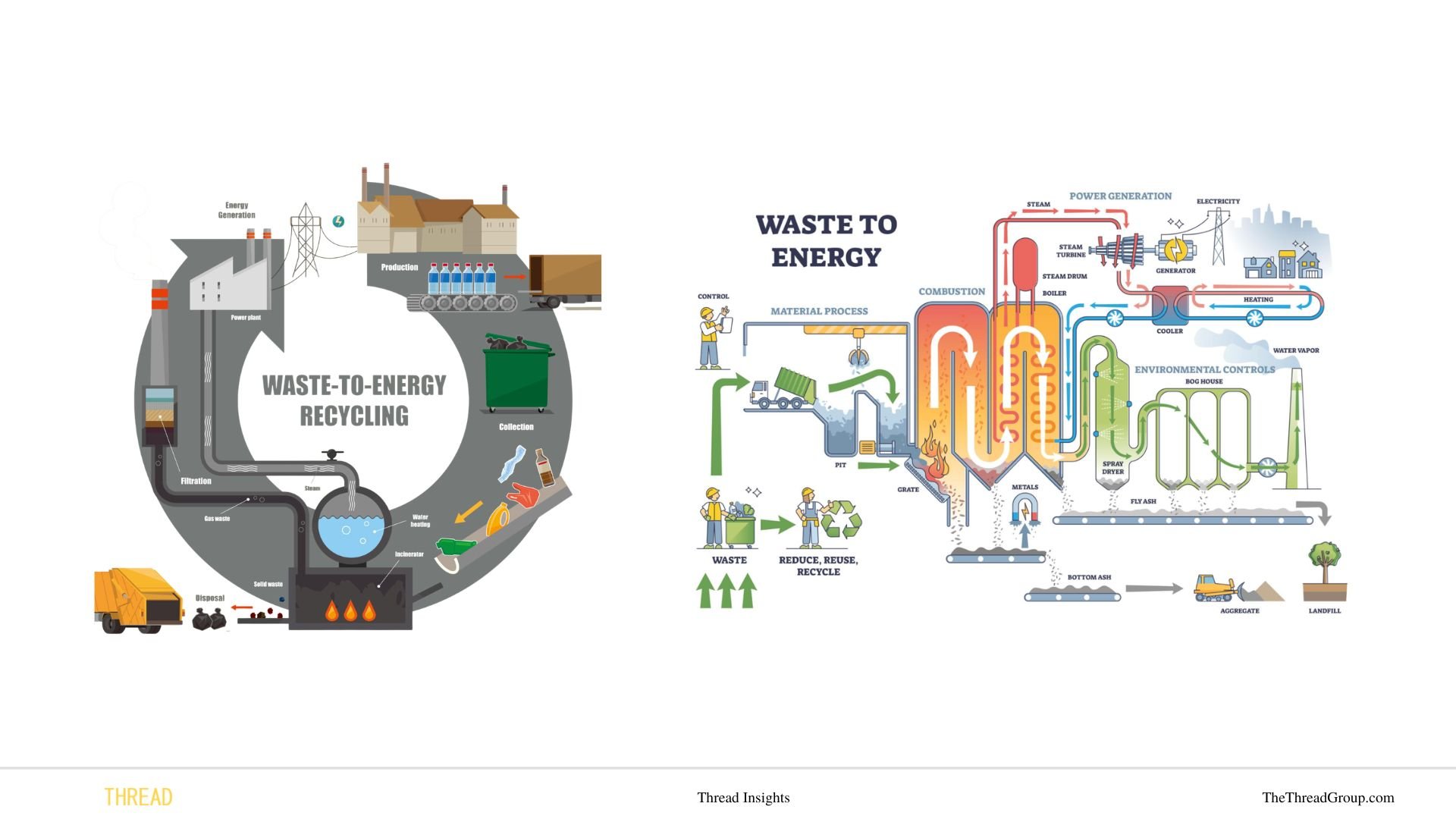
Waste to energy refers to technologies that convert municipal or industrial waste into usable energy.
The most common systems include:
Incineration with energy recovery
Anaerobic digestion that produces biogas
Landfill gas capture systems
Refuse derived fuel production
Gasification and pyrolysis technologies
Globally, waste to energy plants generate over 500 terawatt hours of electricity annually according to the International Energy Agency.
Countries such as Sweden, Japan, and Denmark have integrated waste to energy into national waste management systems. Sweden now imports waste from other countries to feed its energy plants.
Africa is only beginning to explore this potential.
Why Africa is a high potential market
Waste to energy solutions are particularly relevant to Africa because they address three simultaneous challenges.
Waste management
Energy access
Urban environmental sustainability
Waste volumes are large and rising
Cities such as Lagos generate over 13,000 tonnes of waste daily, while Nairobi produces around 3,000 tonnes per day. Much of this waste is organic, which makes it suitable for biogas and other waste conversion technologies.
Electricity demand is growing rapidly
More than 600 million people in Africa lack access to reliable electricity. Waste to energy cannot solve the entire energy deficit but it can contribute meaningful distributed power in urban areas.
Climate finance is increasingly available
Waste to energy projects can qualify for climate finance because they reduce methane emissions from landfills and displace fossil fuel power generation.
Development finance institutions and climate funds are increasingly supporting such projects across emerging markets.
Notable waste to energy projects in Africa
Several African countries have begun experimenting with waste to energy infrastructure.
Ethiopia
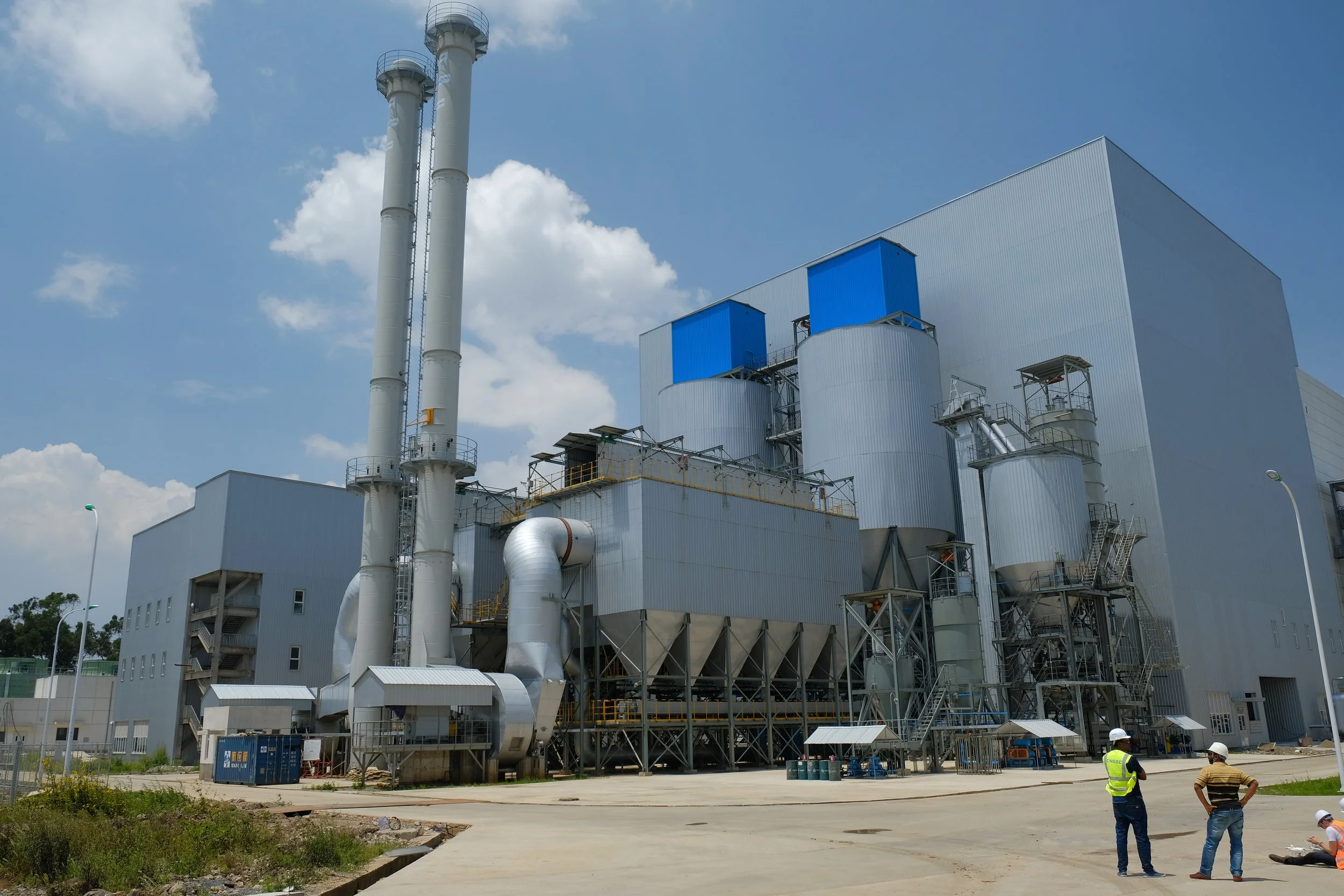
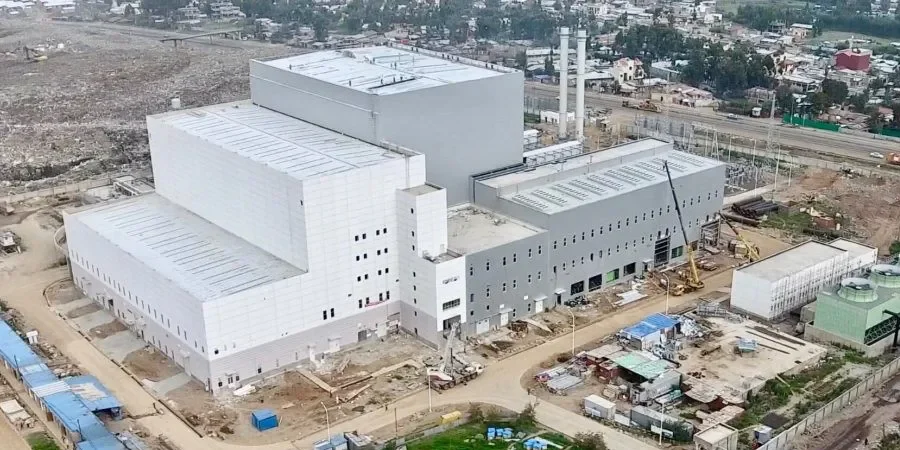
The Reppie waste to energy plant in Addis Ababa is one of the largest facilities on the continent. It converts around 1,400 tonnes of waste per day into electricity and supplies roughly 30 percent of the city’s household electricity demand.
South Africa
South Africa has developed landfill gas to electricity projects that capture methane emissions and convert them into power for municipal grids.
Morocco
Morocco has invested in waste treatment infrastructure and is exploring waste derived fuels that can be used in industrial processes.
Kenya
Kenya has explored waste to energy projects around Nairobi’s Dandora dumpsite and other urban centres.
These projects illustrate both the promise and the complexity of the sector.
Key barriers investors must understand
Despite the opportunity, waste to energy projects in Africa face several structural challenges.
Waste collection systems are inconsistent
Waste to energy plants require reliable feedstock supply. In many African cities waste collection systems are fragmented between public agencies and informal operators.
Capital costs are high
Large scale waste to energy plants can cost hundreds of millions of dollars to build. Financing structures often require public private partnerships and long term power purchase agreements.
Regulatory frameworks are still evolving
Waste management regulations, environmental standards, and energy market rules vary widely across countries. Investors must navigate local policy environments carefully.
Waste composition matters
African waste streams often contain high organic content and moisture levels, which may require different technologies than those used in Europe or Japan.
Where the real opportunities are emerging
For investors and operators looking to enter the sector, several opportunities stand out.
Decentralised waste to energy solutions
Smaller modular systems that convert organic waste into biogas or electricity may be more suitable for many African cities than large incineration plants.
Industrial waste recovery
Manufacturing zones and agricultural processing facilities produce large volumes of organic waste that can be converted into energy.
Landfill methane capture
Capturing methane from existing landfills can provide immediate environmental benefits and energy generation.
Integrated waste management platforms
The biggest opportunity may lie not only in energy production but in building integrated waste management ecosystems that include collection, sorting, recycling, and energy recovery.
Why market intelligence matters before entering the sector
Waste to energy is not simply an infrastructure project. It is a complex system that touches multiple stakeholders.
Municipal governments
Waste collectors
Energy utilities
Technology providers
Communities and regulators
Success depends heavily on understanding local waste systems, policy frameworks, and stakeholder incentives.
This is where rigorous market research and on the ground strategic insight become essential.
Frequently Asked Questions: Waste to Energy Development in Africa
A Practical Case Study from Lagos
How large is the Waste to Energy opportunity in a city like Lagos?
Lagos provides one of the clearest illustrations of both the scale of Africa’s waste challenge and the opportunity for Waste to Energy infrastructure.
Public statements from Lagos State authorities estimate that the city generates roughly 13,000 tonnes of municipal solid waste per day. This places Lagos among the largest waste producing urban centres in Africa.
The Lagos State Government has announced plans for a large Waste to Energy plant in Epe, with a reported capital expenditure of about 400 million dollars. The project is expected to follow a private sector led model similar to Design Build Finance Operate concessions, with electricity generation potentially supplying power for up to two million residents.
Proposed processing capacity for the plant is estimated at 2,000 to 2,250 tonnes of waste per day.
Even at that scale, the facility would process only about 15 to 17 percent of Lagos’s daily waste stream, highlighting a critical insight. A single plant will not solve the waste problem of a mega city. Multiple facilities and complementary recycling systems will be required.
What is the composition and energy value of waste in Nigerian cities?
One of the most important questions for Waste to Energy developers is the heating value of municipal waste.
In Nigeria, municipal waste typically contains a high organic content and high moisture levels, which lowers its calorific value compared with fossil fuels.
Academic engineering studies analysing Nigerian waste streams have estimated lower heating values in the range of 6 to 12 megajoules per kilogram, depending on moisture levels and waste composition. Some broader studies suggest a possible range between 7.5 and 17 megajoules per kilogram, but these vary significantly by location and season.
For developers, this has direct implications.
Plant design
Boiler sizing
Energy generation expectations
Pollution control systems
Revenue modelling
Because of this variability, serious projects must commission formal waste characterisation studies. These studies analyse waste samples across seasons and across multiple sources including residential areas, markets, commercial districts and institutional waste streams.
Key parameters that must be measured include moisture content, ash content, volatile matter, fixed carbon and elemental composition such as carbon, hydrogen, nitrogen and sulphur.
Without this data, engineering design assumptions can easily become inaccurate.
How is waste currently disposed of in Lagos?
Lagos currently relies on a combination of landfills, dumpsites, material recovery centres and informal recycling systems.
Some of the major disposal locations include
Olusosun landfill in Ojota
Solous dumpsites in Igando
Epe landfill
Ikorodu disposal sites
Badagry area dumpsites
In addition to formal waste disposal, a significant portion of waste is handled by informal recycling networks or burned at dumpsites.
The Lagos Waste Management Authority has also begun shifting toward a system that includes transfer loading stations and material recovery facilities. These facilities allow waste to be consolidated and transported more efficiently while preparing the system for future Waste to Energy infrastructure.
The state has also publicly discussed plans to decommission large legacy dumpsites such as Olusosun and Solous as part of a long term transition toward modern waste treatment systems.
How does waste collection and transport currently work?
Waste collection in Lagos operates through a combination of state agencies and private operators.
Private sector participants operate fleets of trucks that collect waste across different parts of the city. These fleets include compactor trucks, skip trucks and large transfer trailers.
Transfer loading stations play a critical role in the system. Waste collected from neighbourhoods is first delivered to these stations where it is consolidated and then transported by larger vehicles to disposal or processing sites.
The fleet across the city includes hundreds of waste collection vehicles, and public reports have indicated that over 100 compactor trucks are deployed daily for waste evacuation operations.
However, detailed operational data such as exact route structures, vehicle utilisation rates, crew sizes and trip frequencies are generally not publicly available. These operational details are usually held by municipal authorities and private operators.
For Waste to Energy investors, access to this operational data is essential for modelling reliable waste supply chains.
What regulatory approvals are required for a Waste to Energy project?
Waste to Energy projects in Nigeria must comply with both federal and state environmental regulations.
At the national level, projects must undergo a full Environmental and Social Impact Assessment under Nigeria’s Environmental Impact Assessment Act. This process is overseen by the Federal Ministry of Environment.
At the state level, projects must comply with Lagos State environmental regulations and the guidelines of the Lagos Waste Management Authority.
Environmental approvals typically evaluate
Air emissions and pollution control
Waste handling systems
Community impacts
Water resources and effluent treatment
Land use and ecological considerations
Waste to Energy plants must also meet national emission standards that regulate pollutants such as particulate matter, nitrogen oxides, sulphur oxides, heavy metals, hydrogen chloride and dioxins.
Many international lenders and development finance institutions require plants to meet European Union Best Available Techniques standards even when national regulations are less strict.
How is electricity from Waste to Energy sold in Nigeria?
Electricity produced by Waste to Energy facilities must be sold through Nigeria’s electricity market structure.
Developers typically sign Power Purchase Agreements with electricity distribution companies or with the national bulk electricity trader.
Electricity tariffs for independent power projects in Nigeria are often negotiated and may range around 90 to 100 dollars per megawatt hour, depending on project structure and financing.
Grid interconnection agreements must also be negotiated to ensure that electricity generated by the plant can be evacuated through the distribution network.
What are the major operational inputs for a Waste to Energy plant?
Waste to Energy plants rely on several industrial inputs during operation.
These include chemicals used in flue gas treatment such as calcium hydroxide, hydrochloric acid and ammonia solutions. These chemicals are generally available in Nigeria through industrial suppliers and import distributors.
Cement and other construction materials are also readily available through local manufacturers.
For accurate operating cost modelling, project developers typically obtain formal price quotations from multiple suppliers and include logistics costs, foreign exchange risks and import duties where applicable.
Why does local market intelligence matter for Waste to Energy projects?
Waste to Energy projects are not simply engineering exercises. They sit at the intersection of infrastructure, energy markets, environmental policy and municipal waste systems.
Each city presents a unique combination of
Waste composition
Collection systems
Regulatory frameworks
Energy market structures
Community dynamics
Understanding these factors requires detailed local research and stakeholder engagement.
For investors and developers entering the sector, this due diligence often determines whether a project becomes bankable.
How The Thread Group supports market entry into sectors like Waste to Energy
As Africa’s cities grow and infrastructure gaps widen, sectors like Waste to Energy are becoming increasingly important for investors, governments and technology developers.
The Thread Group works with partners across the continent to identify and develop opportunities in sectors like infrastructure, energy and circular economy systems.
Partnering with The Thread Group to navigate the opportunity
Africa’s waste to energy sector represents a powerful convergence of environmental necessity and economic opportunity. Yet the path to successful investment requires deep understanding of local markets, regulatory landscapes, and operational realities.
The Thread Group works with investors, corporates, and technology companies looking to build solutions that scale across Africa.
Thread Strategy conducts detailed market research and business development support to help clients identify viable opportunities, partners, and entry strategies across African markets.
Thread Studio develops communication strategies and narratives that resonate within African markets, helping organisations engage governments, communities, and stakeholders effectively.
Thread Labs identifies and supports emerging technology solutions that address critical infrastructure and environmental gaps across the continent.
Together these capabilities allow The Thread Group to help partners move from opportunity discovery to real execution.
As Africa’s cities grow and the pressure on waste systems intensifies, turning waste into energy will become not just an environmental priority but an economic one.
For organisations looking to participate in this transformation, the opportunity is significant. The key is entering the market with the right knowledge, the right partners, and a strategy grounded in the realities of the continent.
The Thread Group is ready to help organisations navigate that journey. Reach out today at clients@thethreadgroup.com.